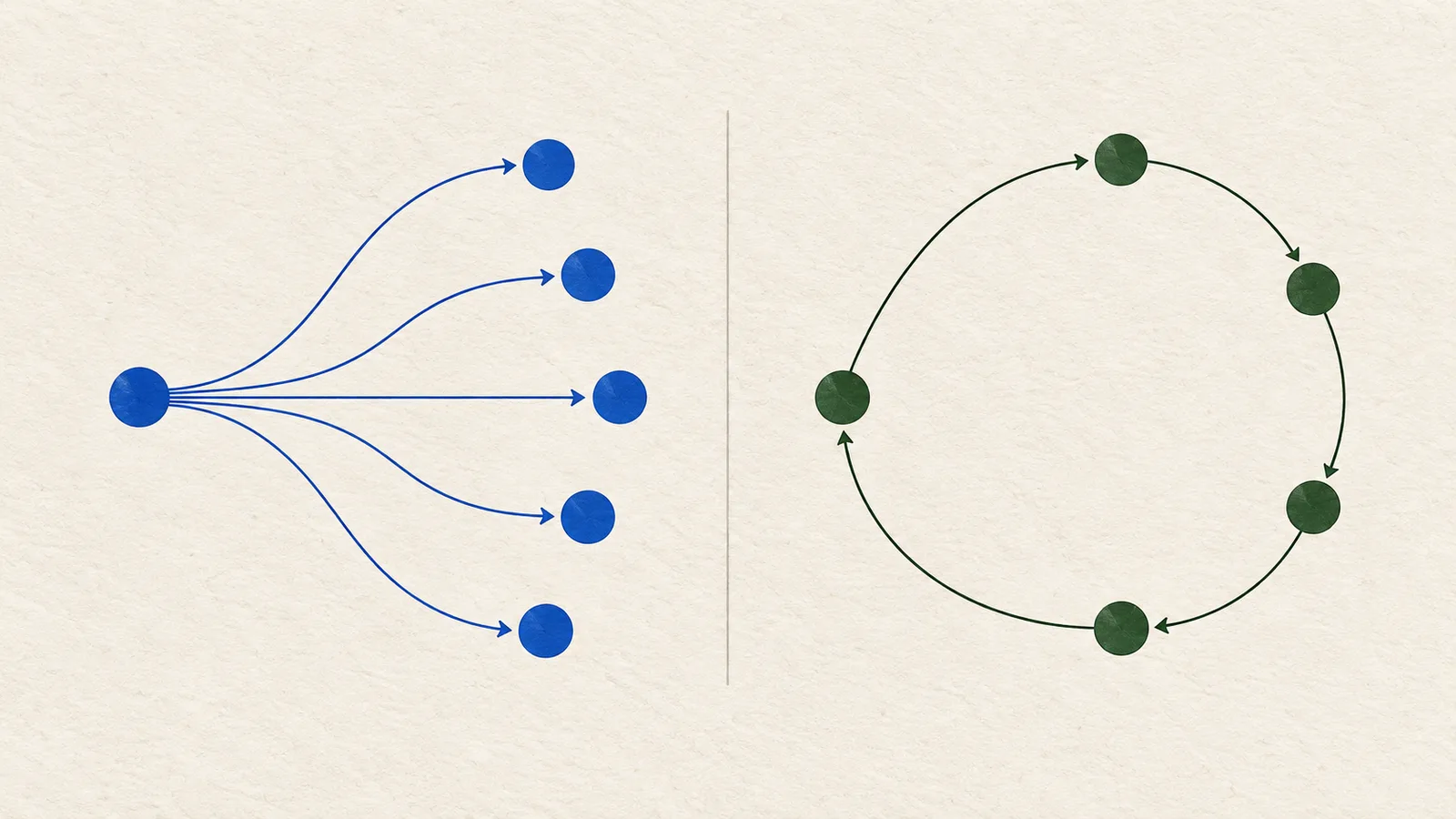
Prospecting aims to reach potential customers who are not selected solely because they already interacted with your business. Retargeting uses an eligible prior relationship or interaction to reach people again. They serve different acquisition jobs, so a lower retargeting CPA does not automatically justify moving all spending there.
The practical distinction depends on your platform's actual audience settings. Names such as “cold” and “warm” in a campaign title do not prove who received the ads.
Define the audience relationship
Write down the intended inclusion, time window, and exclusions for each campaign. Decide how you treat recent inquiries, existing customers, employees, and people who should no longer receive acquisition messages.
Use only appropriately collected data with the necessary permissions and platform eligibility. A contact list available to the business is not automatically authorized for advertising uploads. Review the current provider terms and your privacy obligations before using it. Meta's customer-list audience terms.
Do not infer sensitive characteristics to create narrow audience groups. Build the strategy around the relevant business relationship and permitted targeting controls.
Give each audience a relevant next step
An unfamiliar prospect may need an explanation of the problem and offer. A recent visitor may need clarification about fit or a question that prevented them from continuing. Repeating the same vague promise more often is not necessarily useful retargeting.
| Audience context | Useful message question |
|---|---|
| Unfamiliar prospect | Why is this relevant and what is being offered? |
| Recent relevant visitor | What uncertainty may still need answering? |
| Existing inquiry | Is another acquisition ad helpful or redundant? |
| Current customer | Is this acquisition, support, or a separate expansion offer? |
Keep any suppression or exclusion process documented. A person who just completed the desired action should not be treated as an unfinished prospect because a customer list refresh failed.

Budget against opportunity, not a fixed ratio
There is no universal 80/20 or 70/30 split that fits every business. A small eligible retargeting population may not support much spending efficiently. A mature business with considerable relevant traffic has a different opportunity from a new site.
Inspect actual delivery and business outcomes. Growing frequency can be a reason to investigate repetition and available reach, but it does not prove fatigue by itself. Use the creative fatigue checklist alongside audience context.
Keep prospecting's contribution to future demand in view. Retargeting depends on people entering the relationship somewhere; its apparent efficiency may partly reflect earlier marketing or non-advertising activity.
Separate credit from incremental impact
A person who already intended to purchase may see a retargeting ad before converting. An attribution report may credit that interaction without proving the ad caused the purchase.
Compare unique new customers, qualified opportunities, and completed cohorts. If you need to estimate incremental effect, use an appropriate controlled approach rather than treating a campaign-level attributed ratio as a causal result.
Record audience-setting changes and list refresh issues in the reporting notes. A campaign can appear to improve after its audience becomes more familiar with the business, even if its creative has not improved.

How Omesta helps with keeping audience decisions accountable
Use connected account reporting to review each campaign in its own context, then check the audience and customer exclusions in the advertising platform. The benefit is a clearer discussion before changing the allocation. Omesta’s current workflow requires approval for supported ad changes; do not infer automatic retargeting enrollment or causal lift from a low reported CPA.
Explore the AI ad-management workflow for current capabilities and the pricing page for plan limits.
Customer example: The Hub Nation
The Hub Nation’s September 17, 2026 event-dashboard snapshot shows 892 combined roster entries and 216 recorded check-ins for Bless Burnsville. Those event-wide counts are not paid-ad-attributed totals. The case study presents them separately from its historical advertising comparison.
Do not assign the event-wide attendance total to a prospecting or retargeting campaign. This is a concrete example of why campaign attribution and overall business participation must remain separate. This is an individual example, not a typical-result claim or guarantee.
Read the The Hub Nation case study.
Frequently asked questions
Is retargeting always cheaper?
No. Costs and outcomes depend on the audience, offer, competition, and delivery. Familiarity alone does not guarantee profitable demand.
Can prospecting include someone who already knows us?
Yes. Actual delivery depends on available controls, exclusions, matching, and platform behavior. Verify settings rather than relying on the campaign name.
Should I launch retargeting on a brand-new site?
First check whether there is an eligible, useful audience and a relevant follow-up message. Do not allocate budget merely to complete a standard campaign checklist.